Different morphologic shapes of permanent maxillary central incisors and the association with aesthetics perception, self-reported function, and self-esteem
Morfološka raznolikost zgornjih centralnih stalnih sekalcev ter njihova povezava z zaznavanjem estetike, funkcije in samozavestjo
DOI:
https://doi.org/10.18690/actabiomed.307Keywords:
maxillary central incisors, crown shapes, self-esteem, function, aestheticsAbstract
Purpose: The aim of the present study was to evaluate which morphologic shape of permanent maxillary central incisors predominates in the Podravska region of Slovenia and the association with aesthetic perception, self-reported function, and self-esteem.
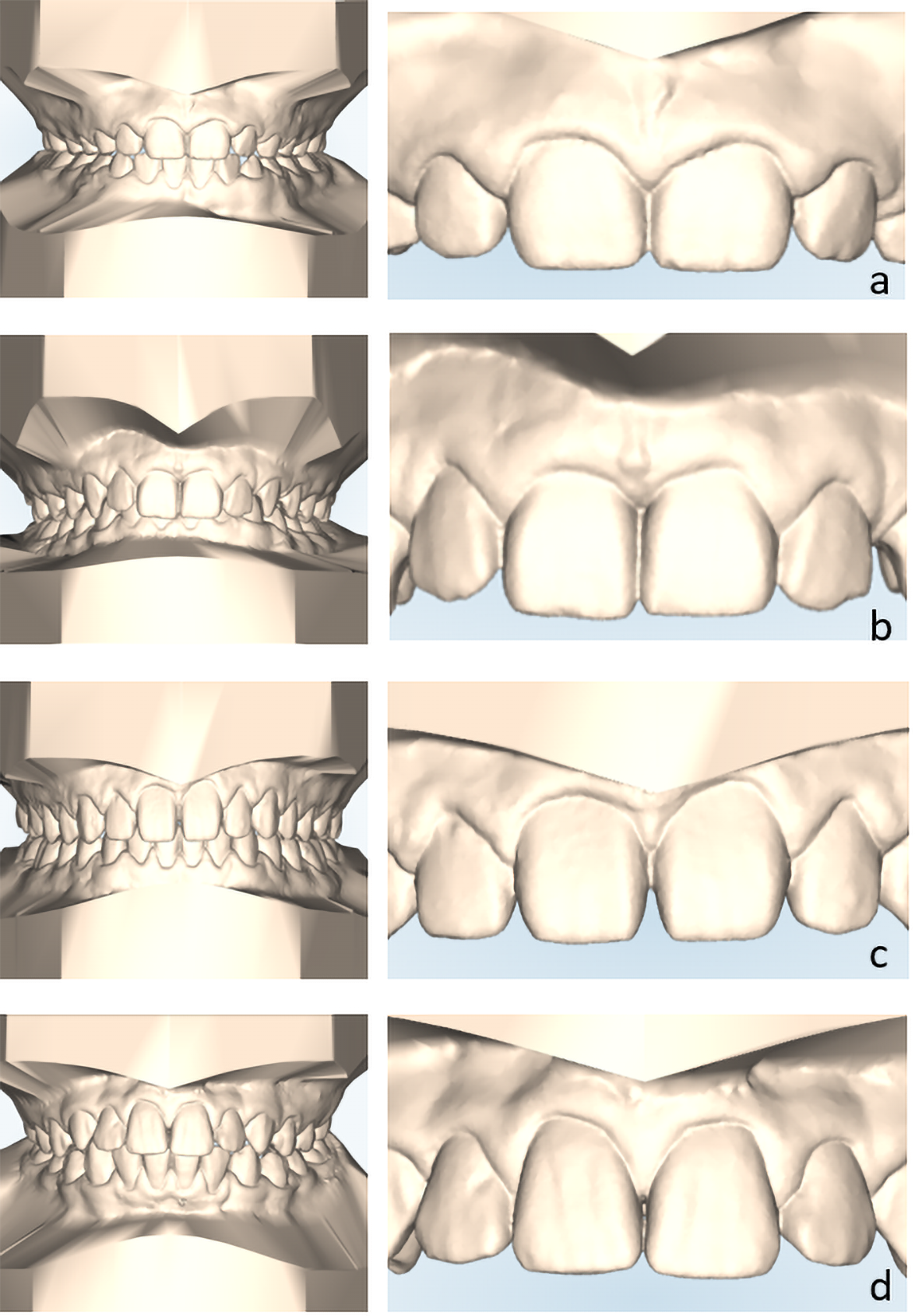
Methods: A total of 184 study casts were analyzed to determine the crown shape of permanent maxillary central incisors. Data were also collected about the influence of crown shapes on aesthetics and function using a modified questionnaire, which was completed by 328 respondents. Data were analyzed and P-values < 0.05 were considered statistically significant.
Results: The most frequent maxillary central incisor crown shapes were triangular (46.7%), followed by elongated (35.9%), square (14.1%), and ovoid (3.3%) without a statistically significant difference between sexes. The elongated maxillary central incisor ranked the most liked out of all four morphologic shapes. Most of the participants (99.1 %) believed that teeth have an impact on self-esteem. Overall, 190 (57.9%) participants had undergone orthodontic treatment, 46% of who were due to compromised aesthetics and function. Most of the respondents (93.9%) denied having problems with maxillary central incisor eruption during childhood. Ten (3%) participants had speech disorders due to the incorrect position of the maxillary central incisors, six of who were required to see a speech therapist. The crossbite was the least liked position of the incisor among the selected options with a statistically significant difference (p = 0.001).
Conclusions: Understanding the morphology of permanent maxillary central incisors is important for pediatric and restorative dentistry. For orthodontists who provide optimal treatment planning, understanding the morphology of permanent maxillary central incisors may be useful to achieve improved dental appearance, function, and facial aesthetic.
Downloads
Downloads
Published
Issue
Section
License
Copyright (c) 2026 Anita Fekonja, Maša Furjan (Author)

This work is licensed under a Creative Commons Attribution 4.0 International License.